

Table of Contents
- What Makes a Beauty Supplement Worth Taking?
-
The 7 Best Beauty Supplements for Glowing Skin
- 1. Collagen Peptides - The Foundation of Skin Elasticity
- 2. Biotin (Vitamin B7) - Skin, Hair, and Nails in One
- 3. Vitamin C (Ascorbic Acid) - Antioxidant Defense and Collagen Synthesis
- 4. Hyaluronic Acid - Internal Hydration and Lipid Barrier Support
- 5. Omega-3 Fatty Acids - Inflammation Reduction from Within
- 6. Zinc and Selenium - Micronutrients That Protect the Dermis
- 7. Probiotics - The Gut-Skin Axis for Clearer Complexion
- Age-Specific Beauty Supplement Recommendations
- How Long Do Skin Supplements Take to Work?
- FDA Regulation of Dietary Supplements: What You Need to Know
- Side Effects of Beauty Supplements to Watch For
- Conclusion
Last Updated: August 6, 2026
Glowing skin starts from the inside out, and the right beauty supplements can make a measurable difference in how your skin looks, feels, and ages. At Celestual Shopie Bag, we've researched what actually works versus what's just clever packaging. The best beauty supplements target collagen synthesis, antioxidant defense, hydration, and inflammation reduction simultaneously.
Quick Picks:
- Best Overall: Collagen peptides, the foundational building block for skin elasticity and dermal structure
- Best Antioxidant: Vitamin C (ascorbic acid), doubles as a collagen synthesis cofactor
- Best for Hydration: Hyaluronic acid supplements, supports the lipid barrier from within
- Best Budget-Friendly: Biotin, widely available, supports skin, hair, and nails in one capsule
What Makes a Beauty Supplement Worth Taking?
A beauty supplement is worth taking when it delivers bioavailable nutrients your diet consistently lacks, at doses clinically associated with dermatological benefit.
Key Nutrients That Drive Skin Results
Collagen peptides rebuild the structural protein that keeps skin firm. Ascorbic acid and other antioxidants neutralize free radicals that accelerate visible aging. Omega-3 fatty acids reduce systemic inflammation, which shows up directly on the skin. Zinc and selenium protect the dermis from UV-induced photodamage. Biotin supports cell turnover in the epidermis. Hyaluronic acid, taken orally, reinforces the lipid barrier and improves moisture retention throughout the dermis.

According to National Institutes of Health Office of Dietary Supplements, many Americans fall short of optimal micronutrient intake through diet alone, which is where targeted supplementation fills genuine gaps.
Synergistic Combinations That Amplify Results
Certain nutrient combinations produce results that neither could achieve alone. Vitamin C and collagen peptides are the clearest example: ascorbic acid is a required cofactor in collagen synthesis. Without adequate vitamin C, your body cannot properly convert collagen peptides into usable structural protein.
Omega-3 fatty acids and zinc form a second powerful pairing. Omega-3s reduce inflammatory signaling throughout the body, while zinc modulates the immune response at the skin level. Together, they address both systemic and localized inflammation that contributes to breakouts, redness, and dull complexion.
The 7 Best Beauty Supplements for Glowing Skin
The supplements below are ranked by their evidence base, bioavailability, and practical impact on skin complexion. The strongest results come from combining two or three strategically.
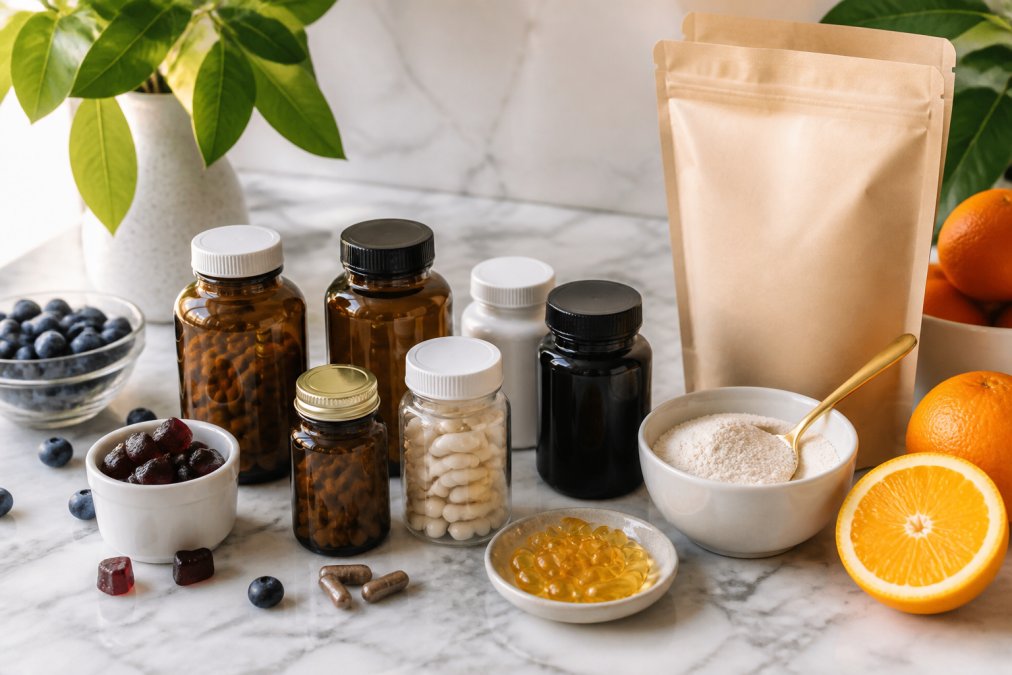
1. Collagen Peptides - The Foundation of Skin Elasticity
Collagen peptides are the most evidence-backed beauty supplement available. Collagen is the primary structural protein in the dermis, and its production declines steadily starting in your mid-20s. Hydrolyzed collagen peptides are broken into smaller chains that the body absorbs efficiently through the digestive tract, unlike whole collagen protein, which is too large to pass through the intestinal wall intact.
Plan for a minimum 8-12 week commitment before evaluating whether the supplement is working.
2. Biotin (Vitamin B7) - Skin, Hair, and Nails in One
Biotin is a water-soluble B vitamin that plays a central role in cell turnover across the epidermis, hair follicles, and nail beds. Most adults get some biotin through diet, eggs, nuts, and leafy greens are good sources, but amounts sufficient for noticeable skin and hair benefit often require supplementation.
At 5,000 mcg per serving, the Kaya Naturals Hair Growth Gummies from Celestual Shopie Bag deliver a clinically relevant biotin dose in a blueberry-flavored gummy format at $30.35 for 30 count.

3. Vitamin C (Ascorbic Acid) - Antioxidant Defense and Collagen Synthesis
Vitamin C does two jobs simultaneously. As an antioxidant, ascorbic acid neutralizes free radicals generated by UV exposure, pollution, and metabolic processes. As a collagen synthesis cofactor, it's essential to the enzymatic process that stabilizes the collagen triple helix structure in the dermis.
Dietary intake from citrus, bell peppers, and berries covers baseline needs for most people. The doses associated with meaningful antioxidant defense and collagen support are often higher than what diet alone provides. Liposomal formulations improve bioavailability compared to standard tablets.
4. Hyaluronic Acid - Internal Hydration and Lipid Barrier Support
Oral hyaluronic acid distributes through the body systemically, supporting moisture retention in the dermis and reinforcing the lipid barrier that prevents transepidermal water loss. When the lipid barrier is compromised by harsh cleansers, low humidity, or nutritional deficiency, skin looks dull, feels tight, and becomes more reactive.
Dose matters here. Many supplements include hyaluronic acid as a minor addition to a collagen formula, at doses too low to produce a noticeable effect. Look for standalone hyaluronic acid supplements or formulas where it appears prominently in the dosage panel.
5. Omega-3 Fatty Acids - Inflammation Reduction from Within
Chronic low-grade inflammation is one of the most underappreciated contributors to poor skin appearance. It shows up as persistent redness, uneven skin tone, accelerated fine line formation, and sluggish cell turnover. Omega-3 fatty acids, specifically EPA and DHA, reduce systemic inflammatory signaling at the cellular level.
Fish oil is the most bioavailable source, with algae-based omega-3 supplements offering a viable option for vegans. Check the combined EPA + DHA content on the supplement facts panel, not just the total fish oil weight.
6. Zinc and Selenium - Micronutrients That Protect the Dermis
Zinc picolinate is a highly bioavailable form that supports wound healing, sebum regulation, and the skin's immune response. It's especially relevant for anyone dealing with acne or post-inflammatory hyperpigmentation. Selenium contributes to antioxidant defense through its role in glutathione peroxidase, an enzyme that neutralizes oxidative damage in skin cells.
Both zinc and selenium have narrow therapeutic windows. Stick to supplements that provide amounts within the established Tolerable Upper Intake Levels set by NIH Office of Dietary Supplements zinc fact sheet.
7. Probiotics - The Gut-Skin Axis for Clearer Complexion
The gut-skin axis is increasingly well-documented. The composition of your gut microbiome influences systemic inflammation, nutrient absorption, and immune regulation, all of which show up directly in skin health. A disrupted microbiome is associated with acne, eczema, and rosacea. Restoring microbial balance through probiotic supplementation addresses skin issues at a root cause level.
Strain specificity matters enormously.
Age-Specific Beauty Supplement Recommendations
The best beauty supplements for glowing skin aren't identical at every life stage. Skin's needs shift significantly across decades.
| Age Range | Priority Supplements | Rationale |
|---|---|---|
| 25-34 | Vitamin C, Omega-3s, Probiotics | Antioxidant defense, inflammation prevention, gut-skin axis |
| 35-44 | Collagen peptides, Hyaluronic acid, Vitamin C | Declining collagen production, hydration loss begins |
| 45-54 | Collagen peptides, Zinc/Selenium, Omega-3s | Accelerated photodamage repair, barrier function support |
| 55+ | Collagen peptides, Hyaluronic acid, Selenium | Structural support, deep hydration, antioxidant defense |
In your late 20s and early 30s: Collagen production is still relatively strong, but oxidative stress from UV exposure and environmental pollution begins accumulating. Vitamin C supplementation and omega-3 fatty acids are the highest-priority investments at this stage.
In your mid-30s to mid-40s: Collagen synthesis starts declining noticeably, and hyaluronic acid levels in the dermis begin to drop. This is the window where collagen peptide supplementation produces its most visible returns.
45 and beyond: Skin barrier function weakens, photodamage accumulates, and cell turnover slows. A combination of collagen peptides, hyaluronic acid, and selenium provides the most comprehensive support.
How Long Do Skin Supplements Take to Work?
Most people should plan for a minimum of 8-12 weeks before evaluating results. Collagen peptides typically show measurable changes in skin hydration and elasticity within 8 weeks of consistent daily use. Vitamin C and antioxidant supplements may produce subtle improvements in skin tone within 4-6 weeks. Probiotics can shift gut microbiome composition within 2-4 weeks, though visible skin changes often take longer.

The most common reason people abandon supplements prematurely is expecting topical-serum speed from an internal supplement. Skin cells in the epidermis turn over roughly every 28 days. Changes at the dermal level take even longer to surface visibly.
A practical framework:
- Weeks 1-4: Systemic changes begin (inflammation reduction, gut microbiome shifts)
- Weeks 4-8: Improved hydration, subtle changes in skin texture
- Weeks 8-12: Visible improvements in elasticity, tone, and fine lines
- Weeks 12+: Continued improvement with consistent use; results plateau without maintenance
Results are cumulative and reversible. Stop taking collagen peptides after six months of consistent use and the benefits gradually diminish.
FDA Regulation of Dietary Supplements: What You Need to Know
FDA regulation of dietary supplements in the United States is substantially different from drug regulation. Under the Dietary Supplement Health and Education Act, manufacturers are responsible for ensuring their products are safe before they go to market; the FDA does not approve supplements for safety or efficacy before sale. The FDA can take action against products found to be unsafe after they're on the market, but pre-market review is not required.
This means the label on a supplement bottle does not guarantee what's inside. Contamination, incorrect dosing, and unlisted ingredients are documented problems across the supplement industry. Consumers should look for products that voluntarily exceed the regulatory baseline through third-party testing, as outlined by FDA dietary supplement guidance.
Third-Party Testing and What to Look for on the Label
Third-party testing closes the gap that FDA pre-market review doesn't cover. The most credible certifications to look for:
- USP Verified: Tests for ingredient identity, potency, and purity
- NSF Certified for Sport: Particularly rigorous; tests for over 270 banned substances
- ConsumerLab.com Approved: Independent testing organization that publishes detailed results
- Informed Sport: Third-party certification with batch-level testing
Look for these seals on the label or the brand's website. The supplement facts panel should list the specific form of each ingredient (e.g., "zinc picolinate" not just "zinc"), the exact dose per serving, and any allergens relevant to you.
Side Effects of Beauty Supplements to Watch For
Side effects of beauty supplements are generally mild when products are taken at label-recommended doses, but they're worth knowing before you start.
Collagen peptides: Generally well-tolerated. Some people experience digestive discomfort with higher doses. Take with food if this occurs.
Biotin: High-dose biotin can interfere with thyroid function tests and troponin assays used in cardiac testing. Inform your healthcare provider if you're supplementing above 1,000 mcg.
Vitamin C: Doses above 2,000 mg per day can cause gastrointestinal upset and loose stools.
Omega-3 fatty acids: Fish oil can thin the blood at high doses. If you're taking blood-thinning medications like warfarin, discuss omega-3 supplementation with your physician before starting.
Zinc: Excess zinc causes nausea and headaches. The Tolerable Upper Intake Level for adults is 40 mg per day from all sources combined.
Probiotics: Generally safe for healthy adults. People who are immunocompromised should consult a physician before starting high-CFU probiotic supplements.
| Supplement | Common Side Effect | When to Be Cautious |
|---|---|---|
| Collagen peptides | Digestive discomfort | Take with food; start with lower dose |
| Biotin (high dose) | Lab test interference | Tell doctor before bloodwork |
| Vitamin C (high dose) | GI upset | Stay under 2,000 mg/day total |
| Omega-3 fatty acids | Blood thinning | Caution with anticoagulant medications |
| Zinc | Nausea, copper depletion | Stay under 40 mg/day from all sources |
| Probiotics | Mild bloating initially | Consult physician if immunocompromised |
| Selenium | Toxicity at high doses | Do not exceed 400 mcg/day |
A consistent supplement routine addresses skin health at the level that topical products simply can't reach. The challenge is choosing the right ingredients, in bioavailable forms, at effective doses, from manufacturers who can verify what's actually in the bottle. Celestual Shopie Bag curates beauty supplements that meet that standard, including the Kaya Naturals Hair Growth Gummies with 5,000 mcg biotin for skin, hair, and nail support. Pair your supplement routine with targeted skincare tools for results that work from both directions. Get started with Celestual Shopie Bag and build a routine that actually delivers on the glow you're after.

Frequently Asked Questions
Do beauty supplements actually work for skin health?
Yes, but results depend on the specific nutrient, your baseline diet, and consistency. Ingredients like collagen peptides, ascorbic acid, and omega-3 fatty acids have clinical trials supporting their role in improving skin elasticity, hydration, and inflammation reduction. They work best as a complement to a solid skincare routine and balanced diet, not as a replacement. Expect gradual improvements rather than overnight changes, and choose products with third-party testing to confirm what's on the label is actually in the capsule.
What is the difference between collagen and hyaluronic acid for skin?
Collagen peptides support the structural integrity of the dermis and epidermis, improving skin elasticity and reducing fine lines over time through collagen synthesis. Hyaluronic acid works primarily as a hydrator, drawing moisture into skin cells and supporting the lipid barrier. They target different mechanisms, which is why many dermatologists recommend using both together. When taken as ingestible supplements, they complement each other well: collagen rebuilds structure while hyaluronic acid maintains moisture and plumpness.
Are there any side effects to taking skin supplements?
Most beauty supplements are well-tolerated, but side effects can occur. High-dose biotin can interfere with certain lab tests, including thyroid panels. Vitamin C in large amounts may cause digestive upset. Omega-3 supplements can thin the blood at very high doses, which matters if you take blood thinners. Zinc in excess can deplete copper levels. Always check with your doctor before starting new supplements, especially if you have existing health conditions or take prescription medications.
How long does it take for skin supplements to show results?
Most people see initial changes in skin hydration and complexion within 4 to 8 weeks of consistent daily use. Structural improvements like reduced fine lines, better elasticity, and smoother skin texture typically take 8 to 12 weeks, since collagen synthesis and cell turnover operate on longer biological cycles. Factors like age, diet quality, sun exposure, and supplement bioavailability all affect the timeline. Tracking with monthly photos is the most reliable way to notice gradual progress.
What vitamins should I take for a radiant complexion?
Vitamin C (ascorbic acid) is the most direct contributor to collagen synthesis and antioxidant defense against photodamage and oxidative stress. Vitamin E works alongside it to neutralize free radicals. Biotin supports cell turnover in the epidermis. Vitamin A (as retinoids or beta-carotene) promotes skin renewal and dermal health. For a complete approach, pair these with omega-3 fatty acids and zinc picolinate to address inflammation and micronutrient gaps that dull skin complexion.
This article was written using GrandRanker